7800 SW 87 AVE SUITE B-270 MIAMI, FLORIDA 33173

Post-Surgical Vision Loss: A Comprehensive Approach

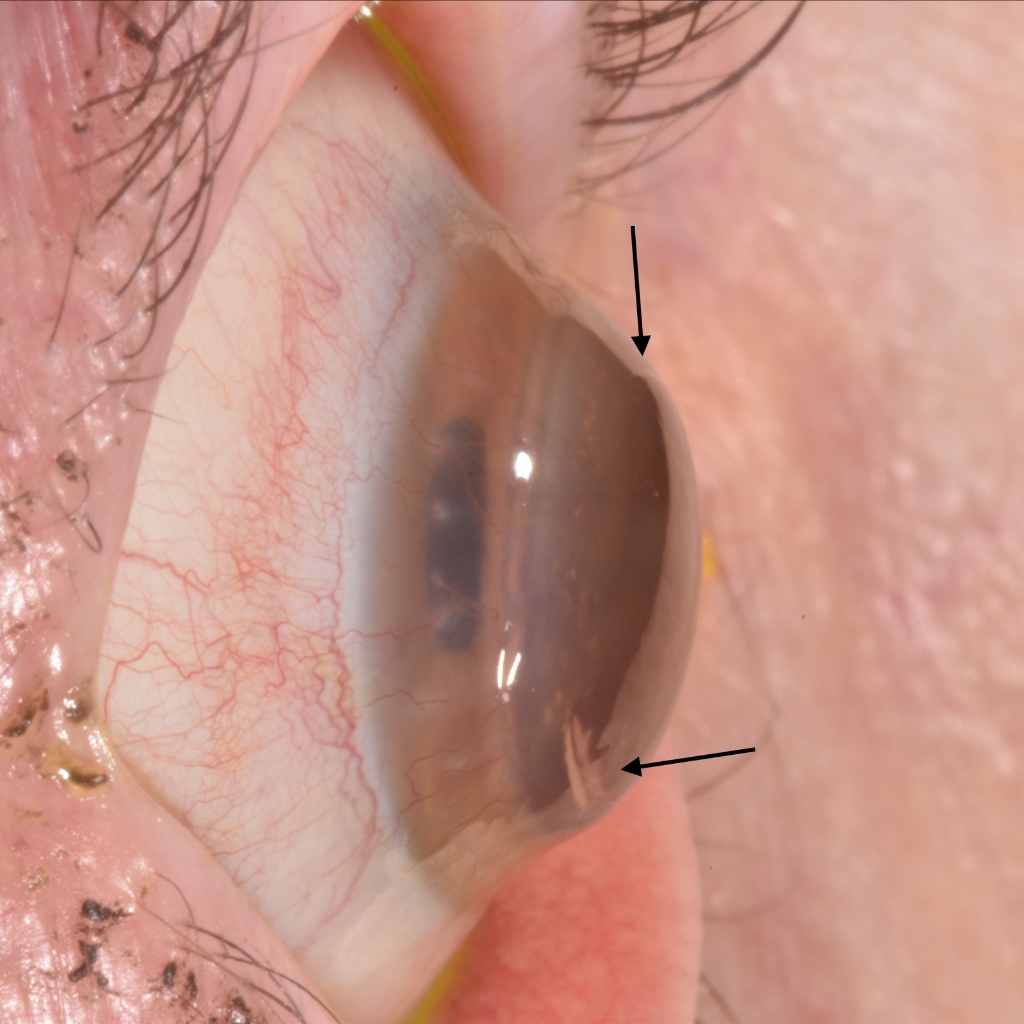
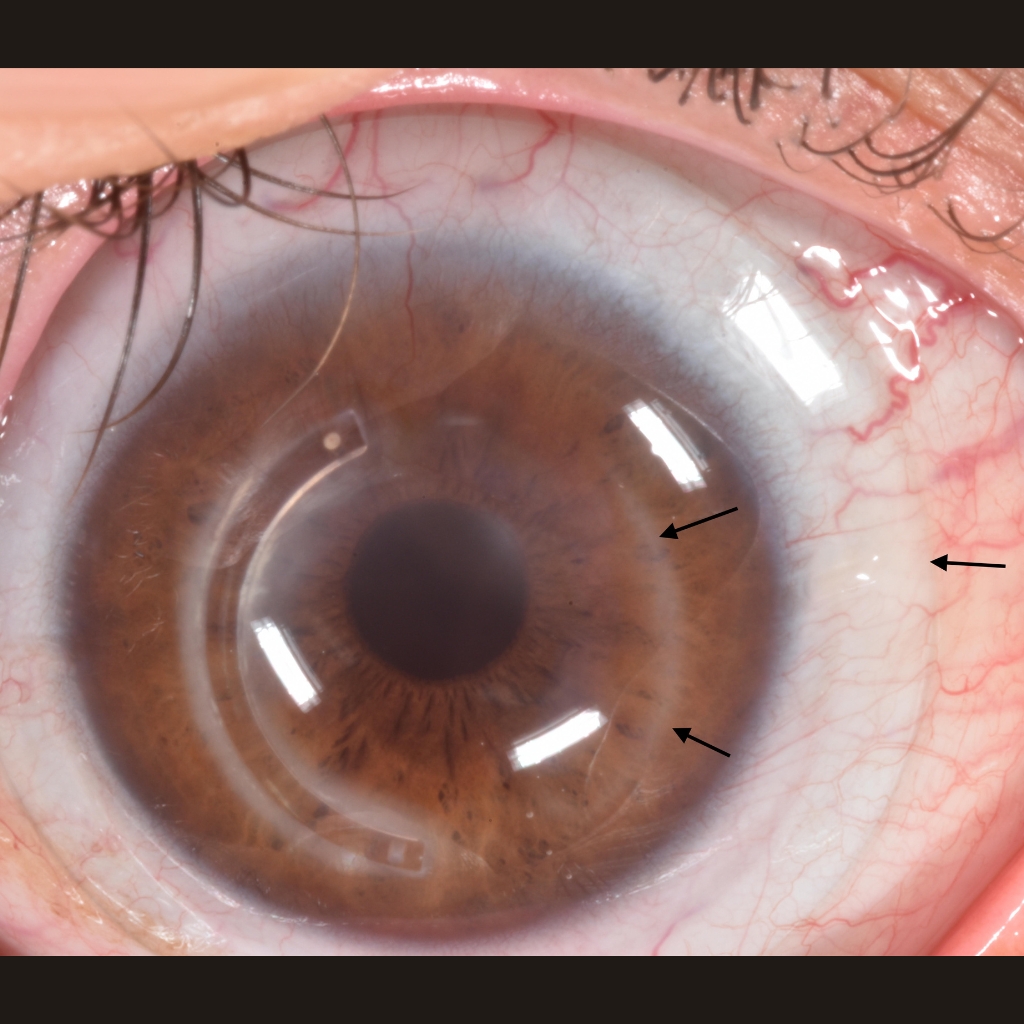
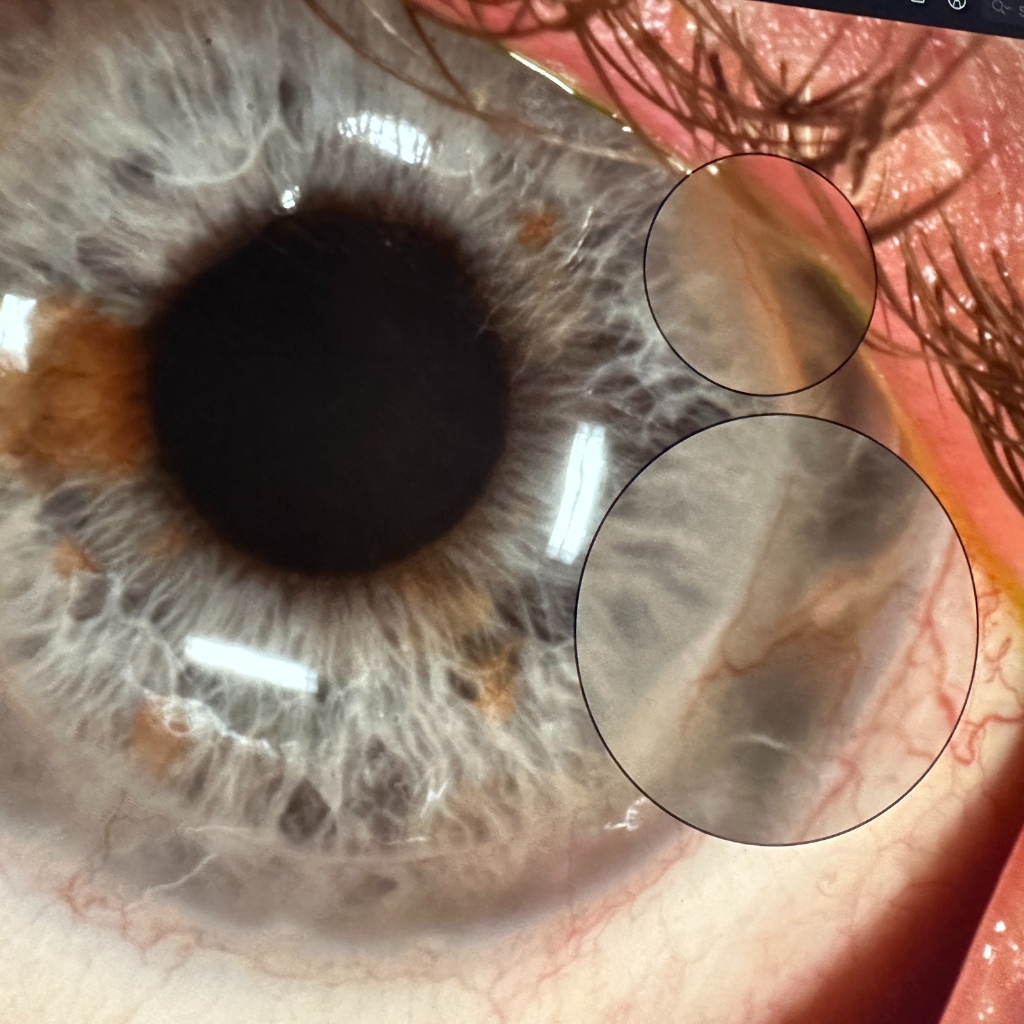
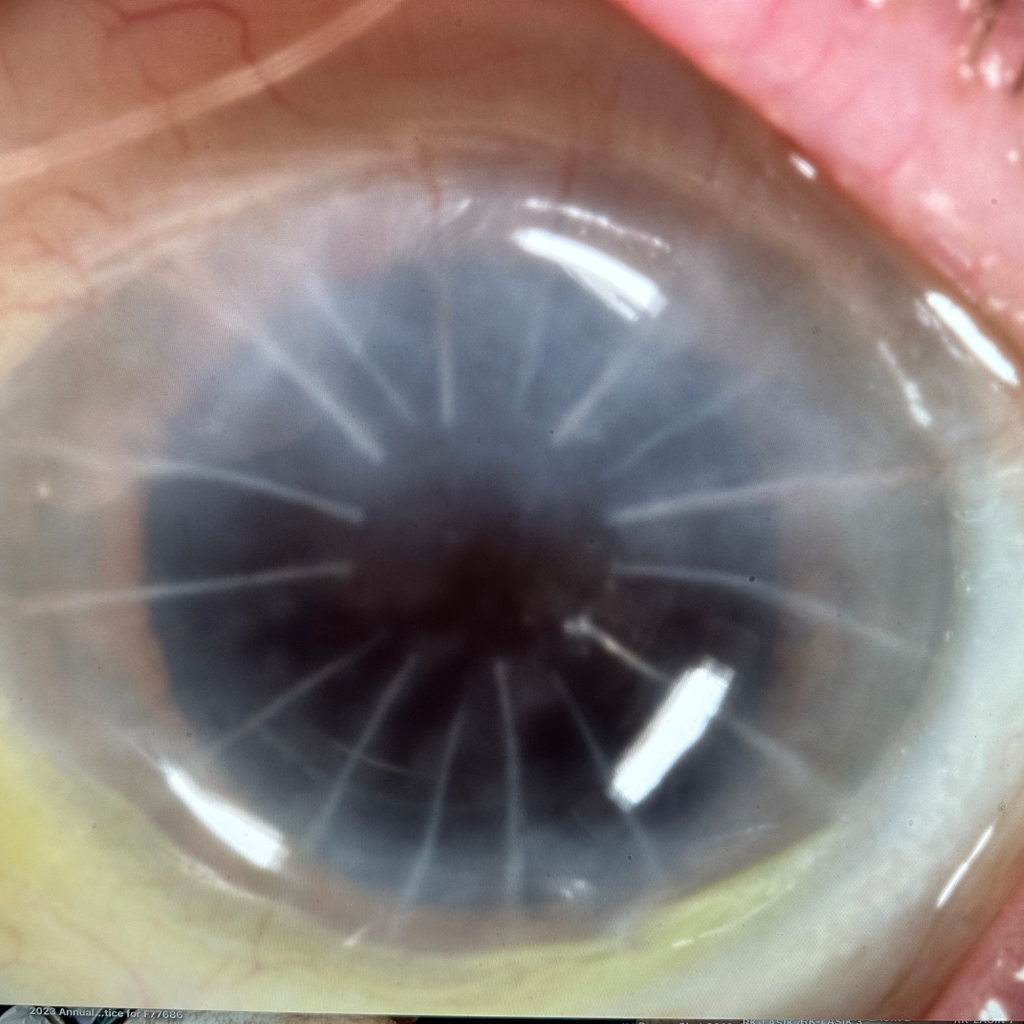
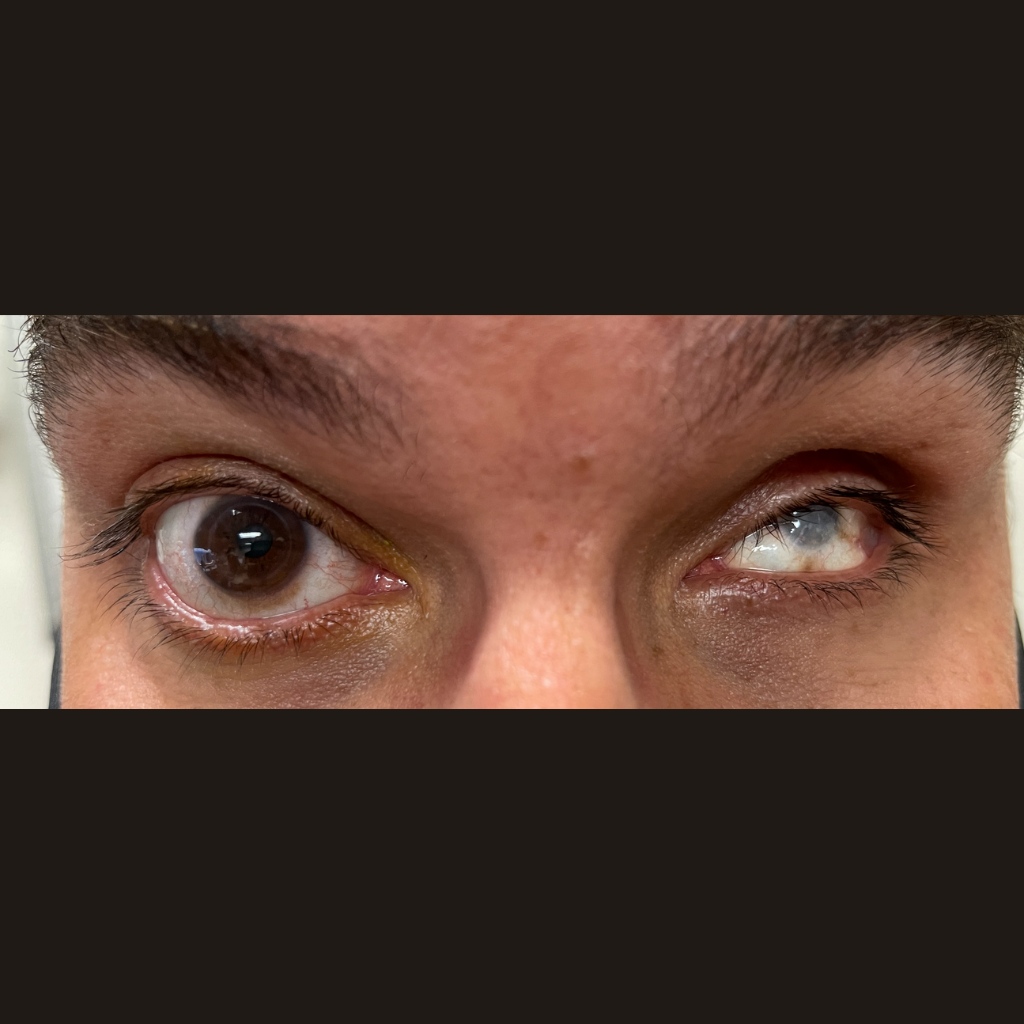
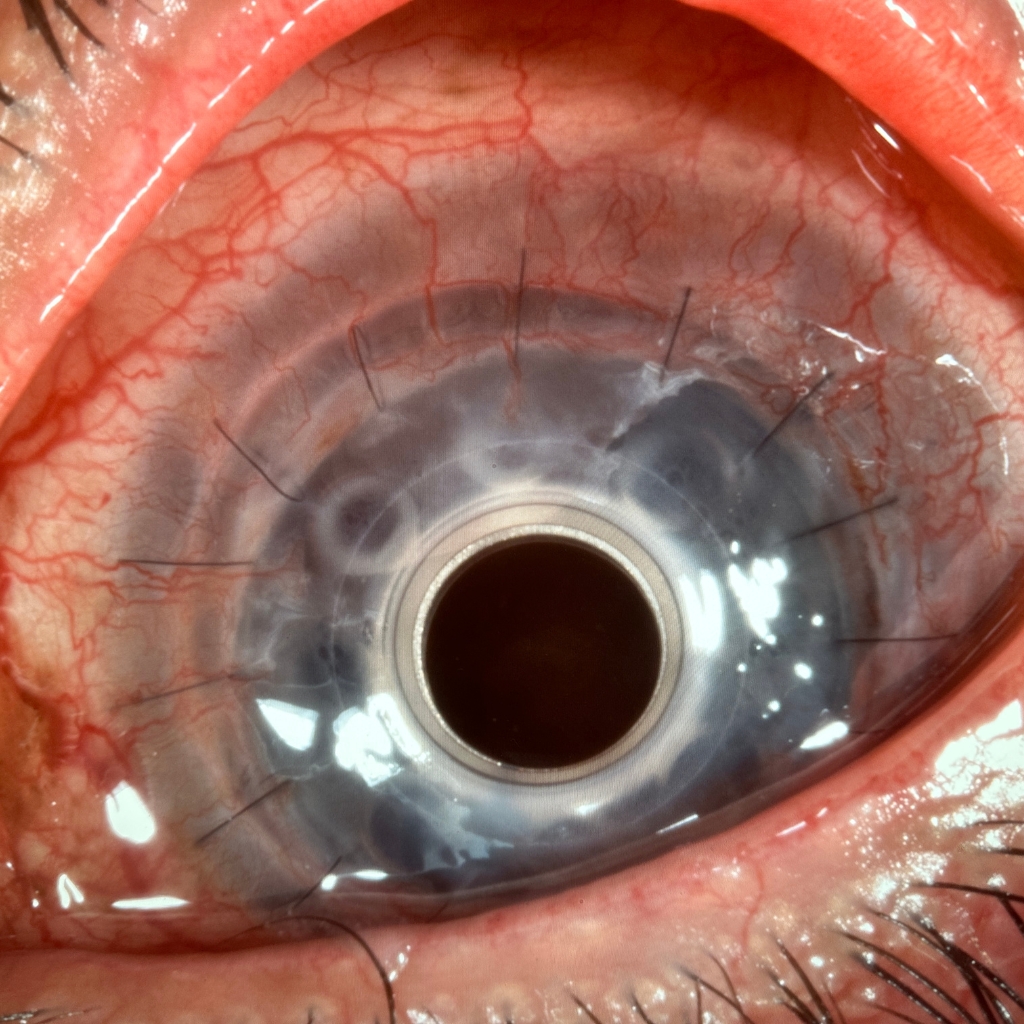
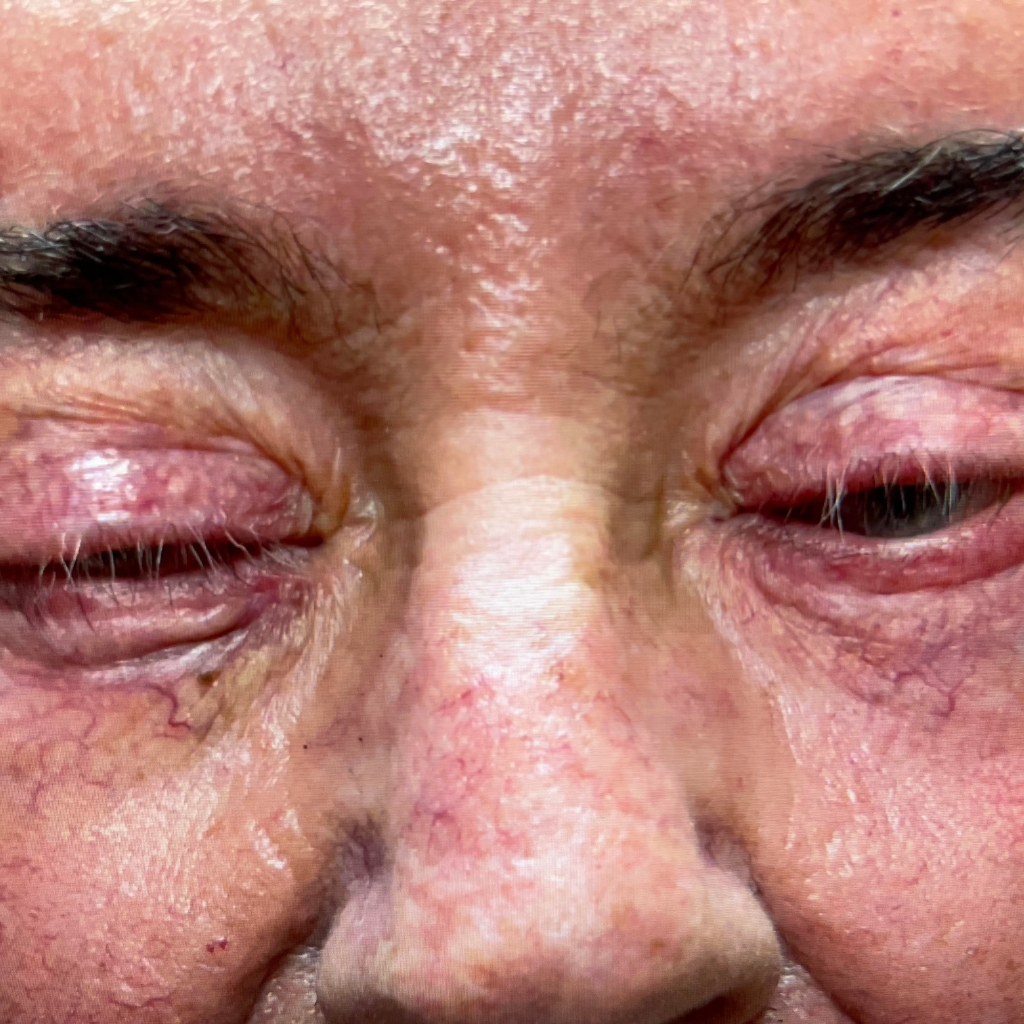
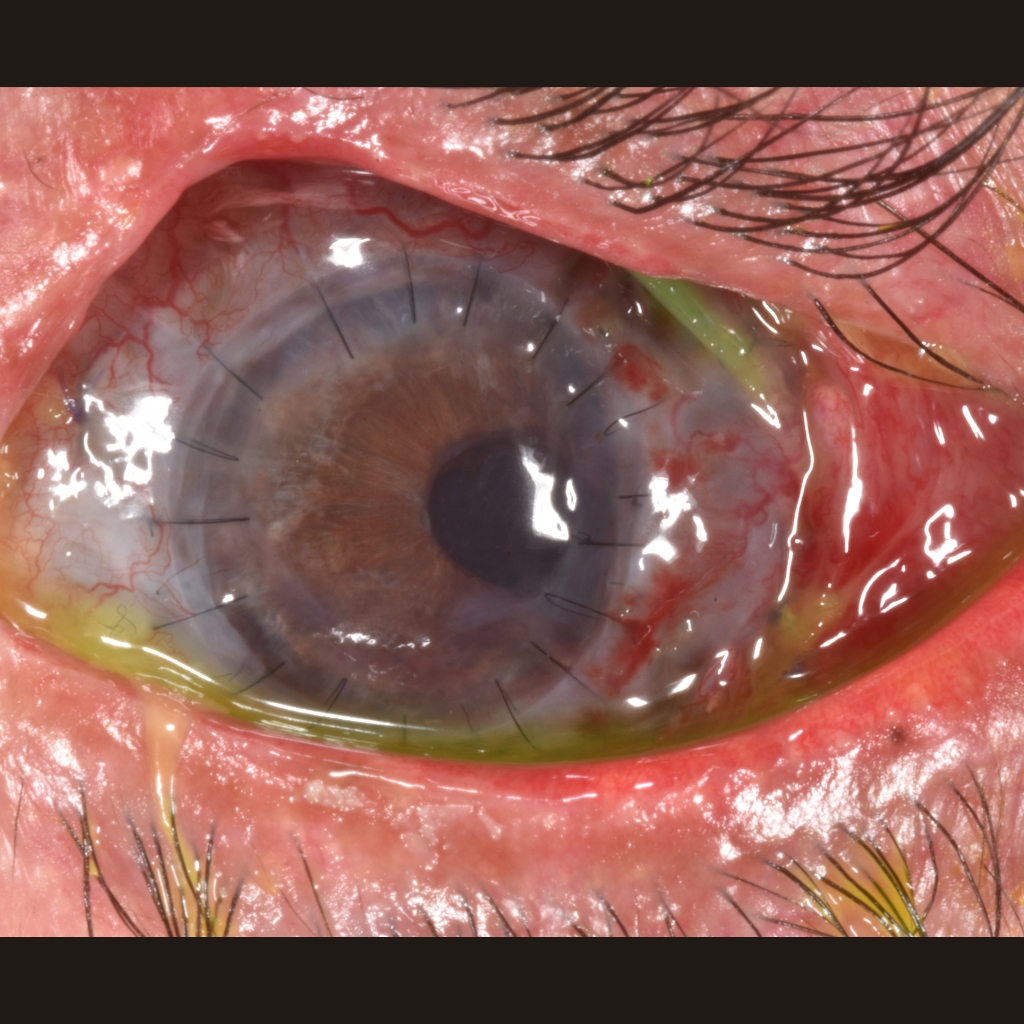
Addressing post-surgical vision loss, which may occur after procedures such as LASIK or RK, necessitates a tailored approach grounded in the specific circumstances and needs of each patient. Several complications and symptoms may arise post-surgery, posing challenges to both the treating physician and the patient, which include, but are not limited to:

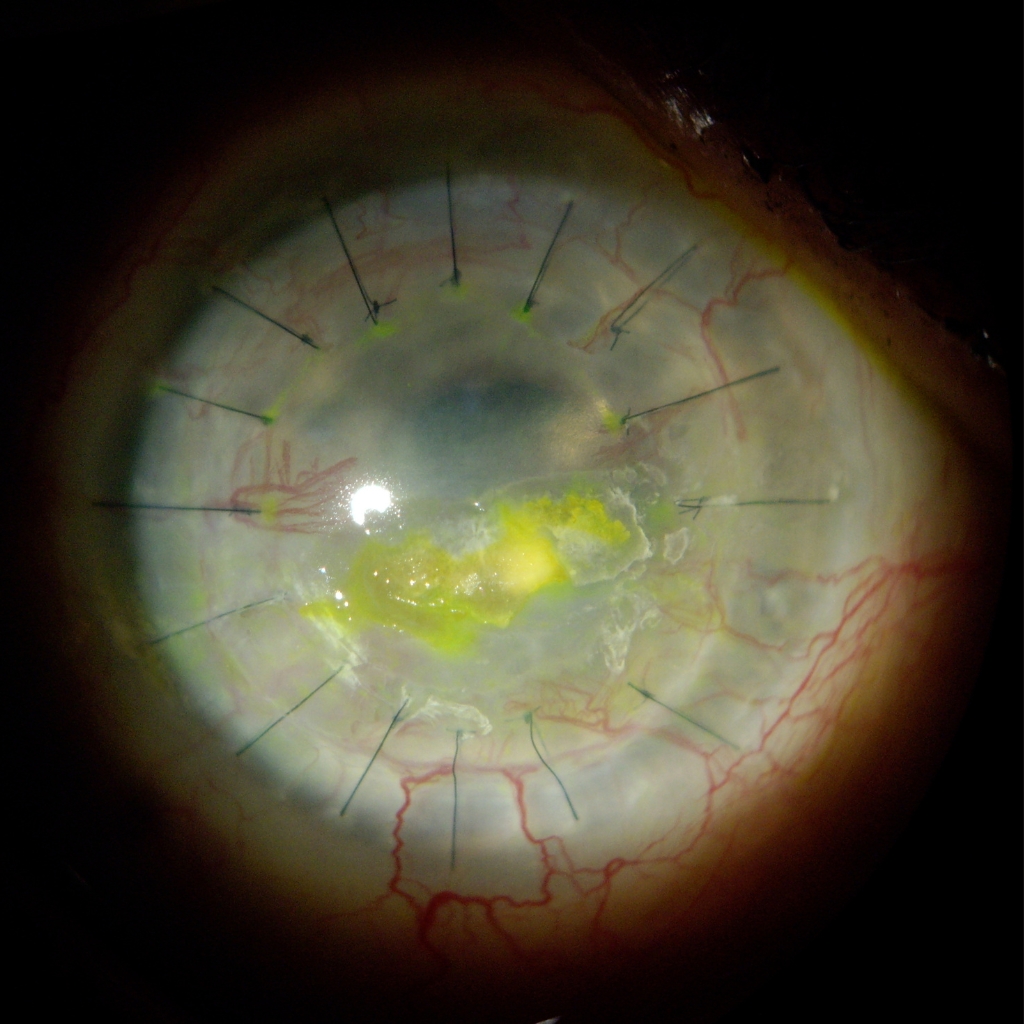
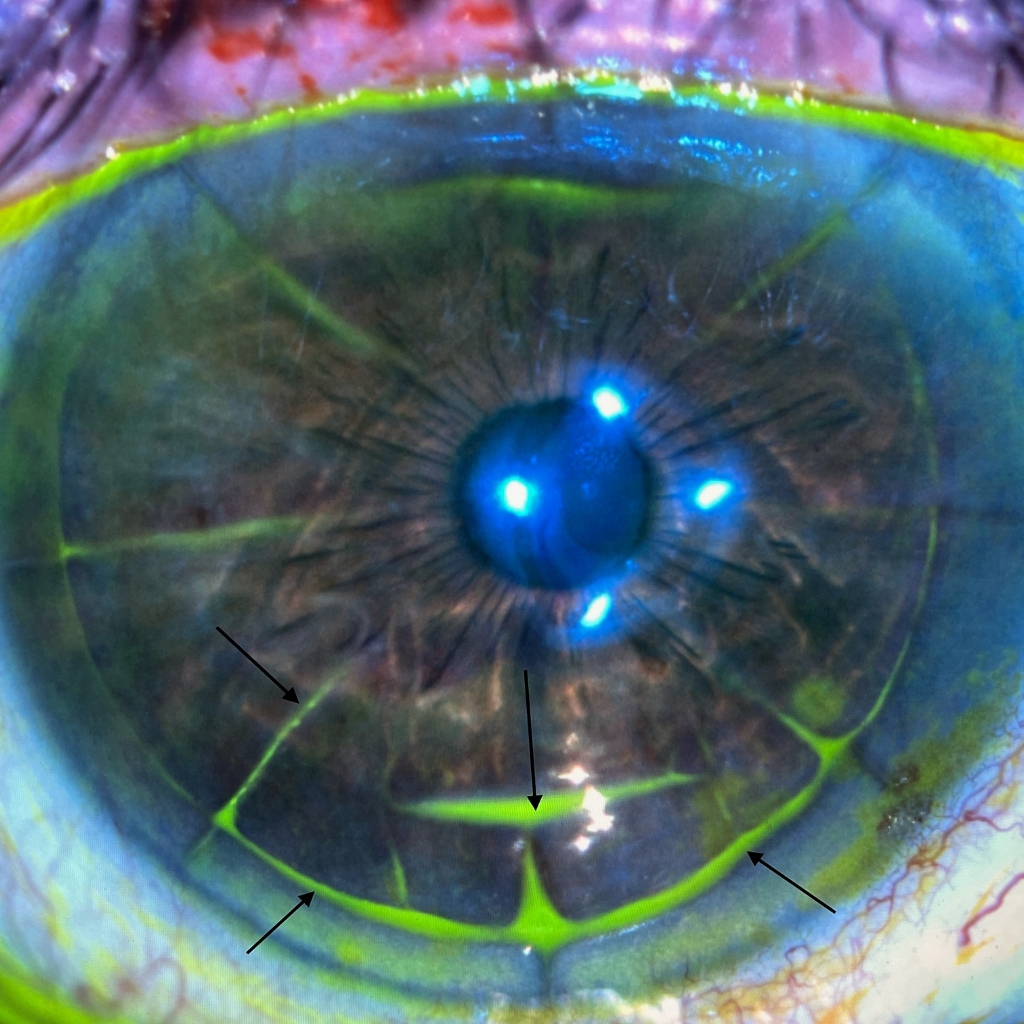
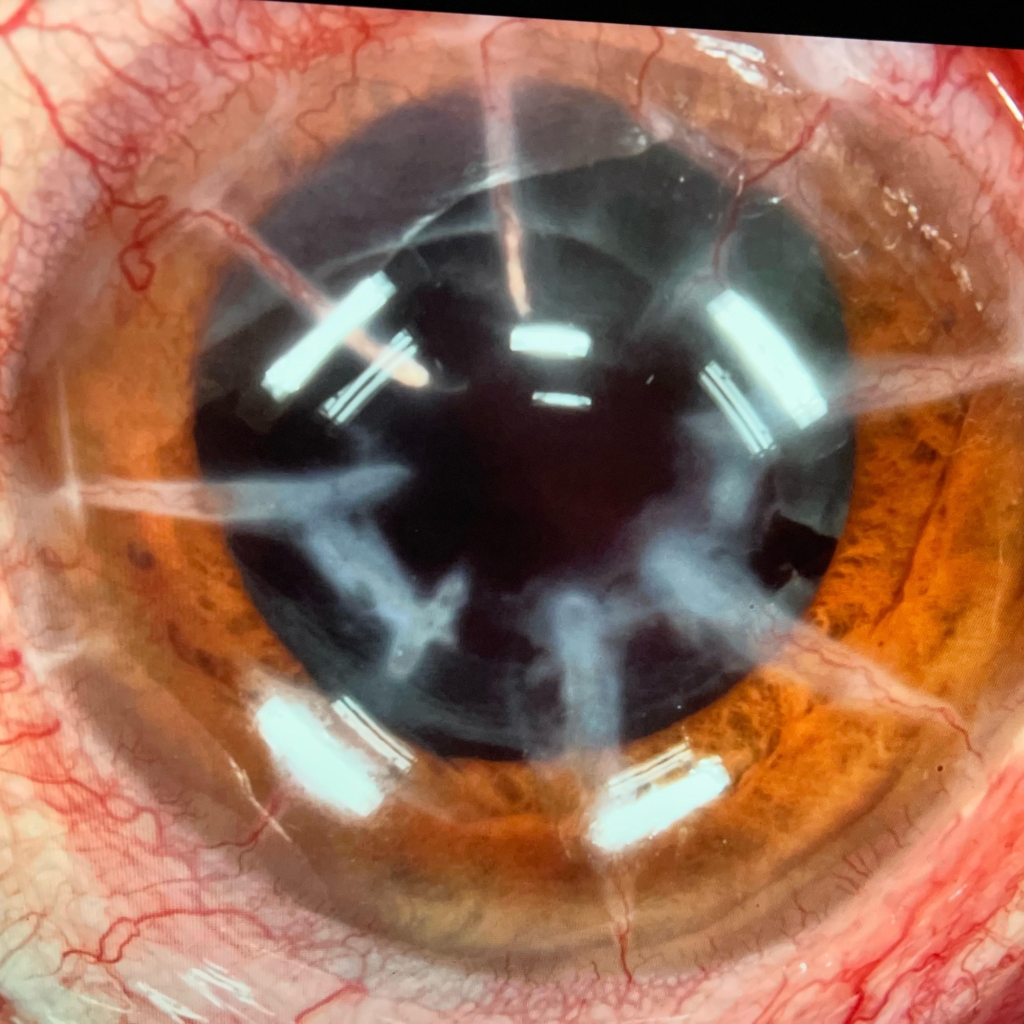
Changes in vision after eye surgery can have different causes, including residual prescription, irregular astigmatism, ocular surface disease, corneal scarring, ectasia, graft-related changes, or problems unrelated to the cornea. The first step is a diagnosis-focused examination rather than assuming that every symptom is a lens problem.

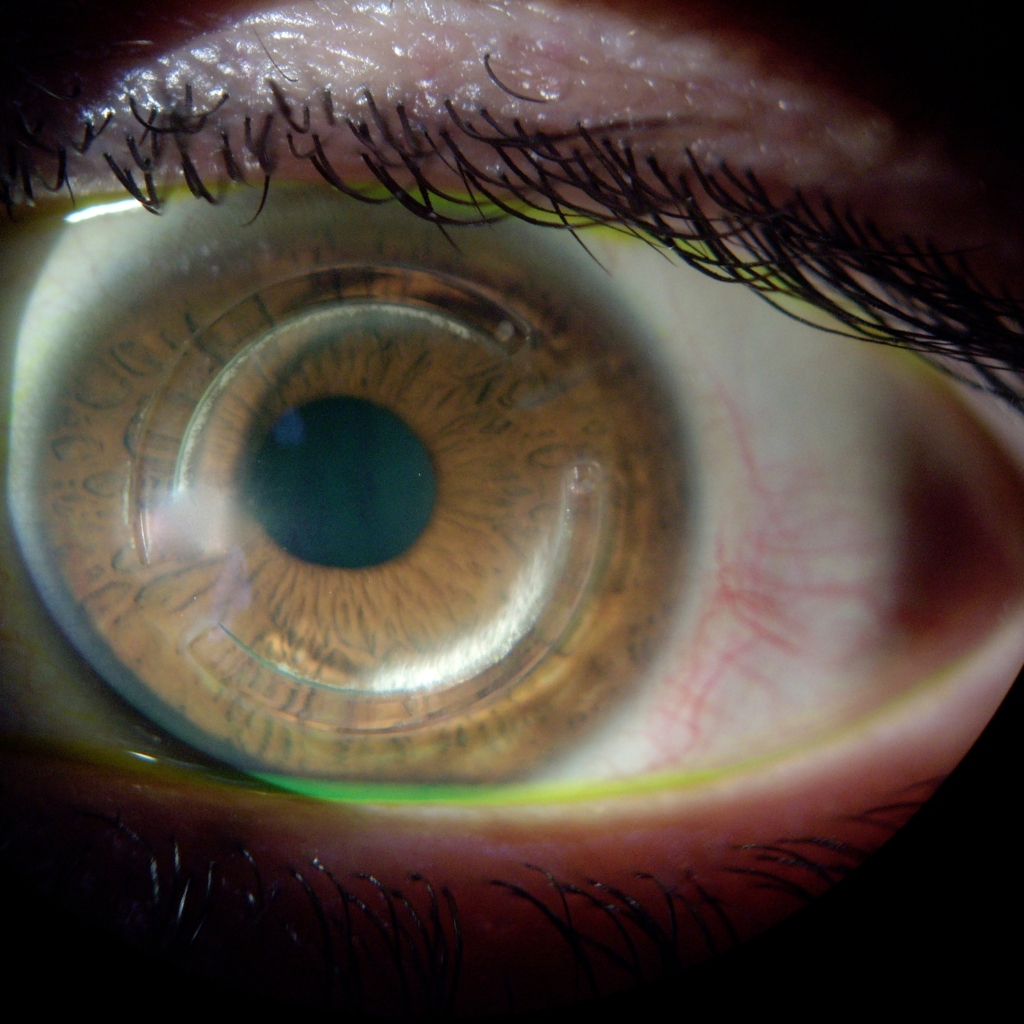
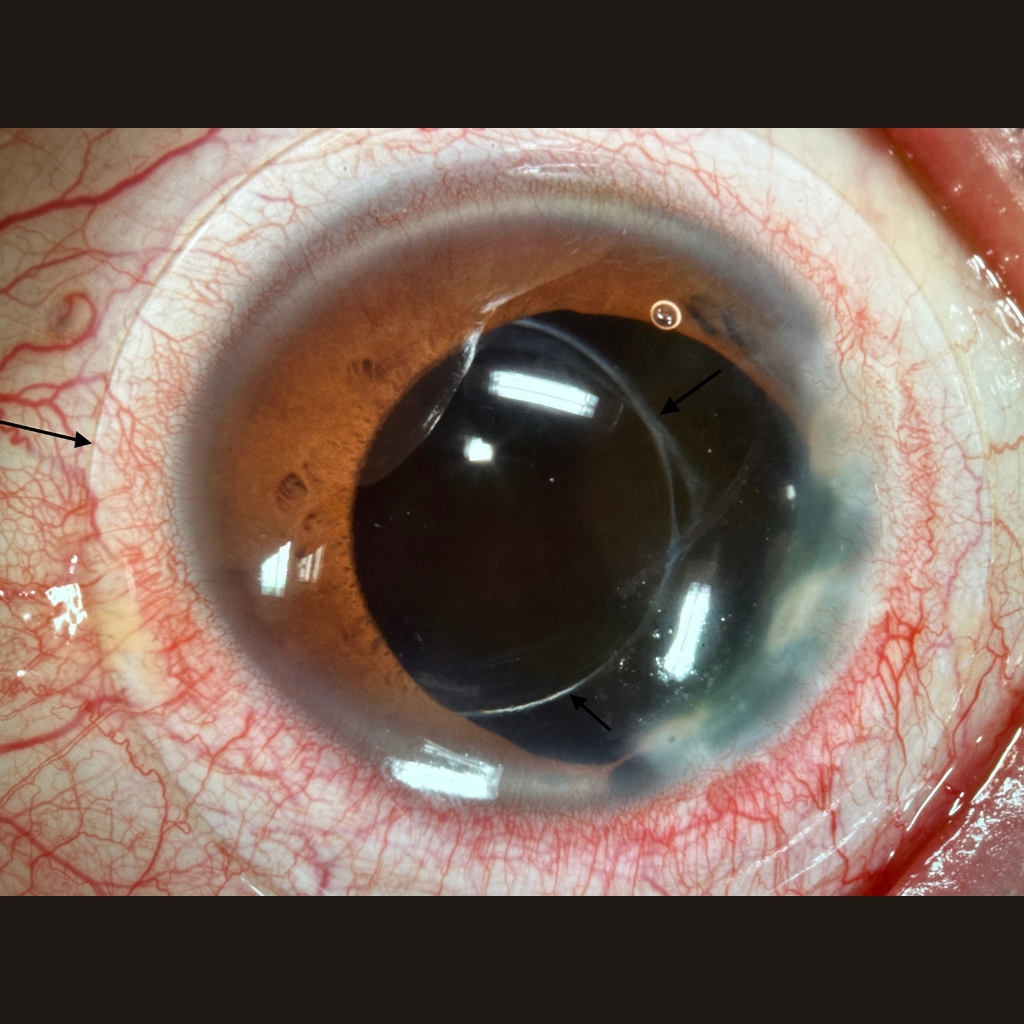
When an irregular corneal surface limits glasses or standard soft contacts, a rigid corneal, hybrid, or scleral lens may be considered. A scleral lens vaults the cornea and creates a regular front optical surface, which may reduce blur, ghosting, glare, or unstable vision for selected patients. Its saline reservoir may also support comfort when ocular surface disease is part of the problem.

A specialty lens does not reverse surgery, repair a LASIK flap, stop ectasia, restore damaged corneal nerves, or guarantee normal vision. Candidacy depends on the diagnosis, corneal and ocular surface health, expected optical benefit, handling ability, and follow-up findings.

Choose the guide that best matches the surgical history:

Seek urgent professional care for sudden vision loss, severe or increasing pain, pronounced redness, discharge, marked light sensitivity, or a new corneal opacity.

Medical sources

This page is educational and does not provide a diagnosis or treatment plan.

Frequently Asked Questions

It describes reduced or disturbed vision after an eye procedure. Possible causes include residual prescription, irregular astigmatism, dry eye, corneal scarring, ectasia, graft-related changes, cataract, retinal disease, or another condition. The term does not identify the cause by itself.

Sudden vision loss, severe or increasing pain, marked redness, discharge, pronounced light sensitivity, flashes with a new shower of floaters, or a new cloudy area on the cornea warrants prompt professional evaluation.

A rigid corneal, hybrid, or scleral lens may create a more regular optical surface when corneal shape limits glasses or standard soft lenses. A scleral lens may also support comfort when ocular surface disease is present. Results depend on the diagnosis and individual eye.

No. They do not reverse surgery, repair tissue, stop ectasia, restore damaged nerves, or guarantee normal vision. They are one possible form of visual or ocular-surface rehabilitation after the cause of the symptoms has been evaluated.

The evaluation may include refraction, corneal mapping, ocular surface and tear-film assessment, review of surgical records, a diagnostic lens trial, and assessment of lens clearance, landing, optics, comfort, and eye health after settling.

No. Each design interacts differently with the cornea, eyelids, tear film, and sclera. The appropriate option depends on corneal shape, ocular surface health, prescription, visual goals, comfort, and the response observed during an on-eye trial.

Post-surgical eyes can be optically and medically complex. Follow-up checks vision, corneal clearance, lens landing, surface condition, comfort, wear time, and eye health, and allows the design or care plan to be adjusted when needed.

Patient receiving a comprehensive eye examination

Book Appointment

We protect
your eye
vision

Schedule Your Consultation with
Dr. Boshnick