7800 SW 87 AVE SUITE B-270 MIAMI, FLORIDA 33173


- Home
- Corneal Refractive Therapy with Paragon CRT®
Corneal Refractive Therapy with Paragon CRT®
Paragon CRT® contact lenses are prescription rigid gas-permeable lenses worn during sleep to temporarily reduce nearsightedness. The lenses are removed after waking. When the response is adequate, selected patients may have useful daytime vision without wearing a lens on the eye.
The current U.S. FDA indication for Paragon Z CRT applies to non-diseased eyes and the temporary reduction of myopia up to 6.00 diopters, with astigmatism up to 1.75 diopters. Those numbers describe the labeled range; they do not establish candidacy or promise a particular visual result.
Dr. Edward Boshnick evaluates corneal shape, prescription, ocular health, visual needs, handling ability, and the response of a diagnostic lens before determining whether corneal refractive therapy is appropriate.
What Are Paragon CRT Contact Lenses?
Orthokeratology, often shortened to Ortho-K, is the general technique of using specially designed contact lenses to temporarily change corneal shape. Corneal Refractive Therapy, or CRT, is a proprietary fitting system within that broader category. The orthokeratology parent and patient guide explains the technique more broadly.
Paragon CRT lenses are worn overnight on a schedule prescribed for the individual patient. The effect is temporary. If wear is interrupted or stopped, the cornea and the daytime correction change back over time. Visual fluctuations can affect activities such as night driving, so backup correction and follow-up planning matter.
Daytime Vision Correction vs. Myopia Management
The FDA approval for Paragon Z CRT addresses temporary reduction of myopic refractive error. Separately, studies of orthokeratology as a category report less average axial elongation in children than comparison correction, but response varies and no method can guarantee that progression will stop. Families comparing treatment goals should review the myopia management guide for children and teens.
Who May Be Evaluated for Paragon CRT?
An evaluation may be reasonable for a child or adult with myopia who wants less dependence on daytime glasses or contact lenses and can follow an overnight-wear, cleaning, disinfection, and follow-up routine. Age alone does not determine readiness. A child also needs reliable caregiver support and the ability to report symptoms promptly.
Paragon CRT is not appropriate simply because a prescription falls within the labeled range. The FDA labeling lists reasons not to use the lenses, including active inflammation or infection, disease or injury affecting the cornea, conjunctiva, or eyelids, severe tear insufficiency, reduced corneal sensitivity, certain systemic conditions affecting the eye, relevant allergies, and red or irritated eyes.
Corneal shape, astigmatism pattern, pupil and visual demands, eyelid anatomy, ocular-surface health, previous lens experience, hygiene, and the diagnostic-lens response can all affect candidacy. Dr. Boshnick may recommend another correction method when the fit, health findings, or expected visual quality is not acceptable.
What Happens During a Paragon CRT Fitting?
- History and refraction: Dr. Boshnick reviews the prescription, prior correction, visual goals, health history, and any pattern of childhood myopia progression.
- Eye-health examination: The cornea, eyelids, tear film, conjunctiva, and other relevant structures are evaluated for findings that may make overnight lens wear inappropriate.
- Corneal mapping: Computerized corneal topography measures corneal shape and provides a baseline for lens selection and later comparison.
- Diagnostic-lens assessment: A lens may be evaluated on the eye for centration, movement, alignment, vision, and corneal response. More than one design or adjustment may be needed.
- Handling and care training: The patient and caregiver, when applicable, learn insertion, removal, chemical disinfection, storage, and the prescribed wearing schedule before independent use.
- Follow-up: Unaided vision, refraction, corneal maps, lens position, ocular health, symptoms, and adherence are reviewed over time.
What to Expect During the Transition
The timing and amount of correction vary. Vision can fluctuate during the first days or weeks, and some patients notice blur, glare, halos, ghosting, or reduced clarity later in the day. Temporary daytime correction may be needed while the effect develops. Keep current backup glasses available and do not assume an older prescription will remain suitable during the transition.
Benefits, Limitations, and Overnight-Wear Safety
A potential benefit is daytime vision without a contact lens on the eye after the overnight lens is removed. The approach is non-surgical and its corneal effect is temporary. It may suit selected patients whose activities make daytime eyewear inconvenient, but it is not equivalent to LASIK and does not guarantee glasses-free vision, comfort, or a specific acuity.
Paragon CRT lenses are medical devices worn during sleep. Contact lenses can cause abrasions, inflammation, corneal ulcers, or microbial keratitis. Overnight wear adds risk even when a lens is designed for that schedule. Careful fitting and follow-up reduce avoidable risk but cannot make lens wear risk-free.
Daily Safety Habits
- Wash and dry hands before touching a lens or eye.
- Use only the chemical disinfection and care system prescribed for the lenses; do not use heat disinfection.
- Keep tap, shower, pool, hot-tub, and other nonsterile water away from the lenses, case, and eyes.
- Do not extend wear, share lenses, or change the schedule without professional guidance.
- Keep appointments so corneal health, lens position, and the treatment effect can be reassessed.
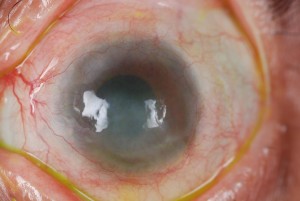
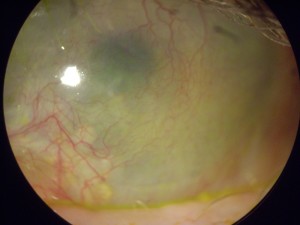
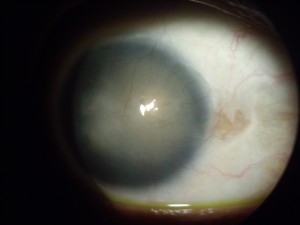
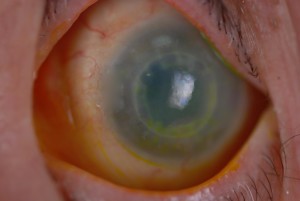
Remove the lens and seek prompt professional guidance for pain, pronounced redness, light sensitivity, discharge, excessive tearing, a sudden vision change, a white spot on the cornea, or discomfort that does not resolve after removal.
To discuss whether Paragon CRT fits your needs, request an evaluation with Dr. Boshnick or call 305-271-8206. The original consultation form appears below.
Medical and Product Sources
- U.S. FDA: Paragon Z CRT approval and indication
- U.S. FDA: Paragon Z CRT package insert and patient information
- CDC: Orthokeratology and contact-lens wear schedules
- CDC: Keeping water away from contact lenses
- Systematic review: Orthokeratology and childhood myopia progression
This page is educational. It does not determine candidacy, prescribe a lens, or predict an individual result. Current labeling and Dr. Boshnick’s patient-specific instructions control.
Your Vision, Our Priority:
Schedule Your Consultation Now
Frequently Asked Questions
Orthokeratology, or Ortho-K, is the general technique of temporarily reshaping the cornea with specially designed contact lenses. Paragon CRT is a specific lens design and fitting system used for corneal refractive therapy.
No. The reduction of myopia is temporary. The lenses generally must be worn on the prescribed overnight schedule to maintain the effect, and vision may fluctuate if wear is interrupted.
The current U.S. indication is temporary reduction of myopia up to 6.00 diopters in non-diseased eyes with astigmatism up to 1.75 diopters. An examination is still required because labeled numbers alone do not establish candidacy.
Yes, selected children may be evaluated. Readiness depends on prescription, corneal and ocular health, ability to handle the lenses safely, caregiver support, hygiene, and reliable follow-up rather than age alone.
No. The FDA indication for Paragon Z CRT addresses temporary reduction of myopic refractive error. Research on orthokeratology as a category reports slower average axial elongation in children, but individual response varies and progression may continue.
Topography maps corneal shape before treatment and helps the clinician select and evaluate the lens. Follow-up maps can show centration and corneal-shape change, but they must be interpreted with vision, refraction, lens behavior, and eye-health findings.
The temporary corneal effect begins to change back. Daytime vision may become blurred or fluctuate, and older glasses may not provide the right correction during that transition. Follow the backup plan provided by the practice.
Remove the lens and seek prompt professional guidance for pain, pronounced redness, light sensitivity, discharge, excessive tearing, sudden vision change, a white spot on the cornea, or discomfort that does not resolve after removal.

Schedule Your Consultation with
Dr. Boshnick
-
-
-
7800 Sw 87 Ave Suite B-270
Miami, Florida 33173
Schedule Your Consultation with
Dr. Boshnick
-
-
-
7800 Sw 87 Ave Suite B-270
Miami, Florida 33173
